
It is 4:45 PM on a Friday. For a SaaS company in 2026, this isn’t just the end of the work week; it is a potential minefield. The business is booming, the user base is expanding, and the server load is spiking. But without the right vantage point, the CEO and the engineering lead are looking at different realities. One sees a line graph dipping; the other sees a queue of logs stacking up in a dark corner of the infrastructure.
This disconnect is the old way of doing business. In the current landscape of 2026, the ability to see the health of your entire digital ecosystem instantly isn’t just a “nice-to-have”–it is the fundamental requirement for survival. The tool driving this transformation is no longer just a charting library; it is the central nervous system of the modern SaaS enterprise.
As we look at how Grafana is reshaping these companies, we are witnessing a shift from simple “monitoring” to a holistic practice called Observability. It is a transition that is redefining how SaaS companies operate, sell, and scale.
The Silent Crisis: Why Your Dashboard Is No Longer Enough
For the last decade, the standard operating procedure for SaaS companies involved a mix of basic uptime checks and a handful of specialized tools. You had one tool for server health, another for database performance, and a third for user error logs. This fragmentation created a “blind spot” effect. When something went wrong, it often did so in the gap between these specialized tools.
By 2026, the sheer volume of data generated by modern applications has rendered this approach obsolete. The average enterprise now generates terabytes of telemetry data daily. The challenge is no longer collecting data; it is making sense of it in real time.
This is where the concept of Observability becomes critical. Observability moves the focus from knowing what is happening (monitoring) to understanding why it is happening. It requires a unified view of the entire system, from the end-user’s click to the database query that processed it.
Grafana has emerged as the undisputed leader in this space because it solves the “Single Pane of Glass” problem. It doesn’t just visualize data; it connects disparate data sources into a cohesive narrative. When a SaaS company adopts a platform like Grafana, they are not just buying a reporting tool; they are buying a shared language between their business leadership and their technical teams.
The narrative here is one of clarity. In a world of infinite data, the company that can visualize the chaos is the company that wins. It allows for the identification of “silent” failures–issues that don’t crash the server but degrade performance enough to drive users away. This proactive visibility is what separates thriving SaaS companies from those struggling to retain customers in a competitive market.
 Photo by Egor Komarov on Pexels
Turning Chaos into Clarity: Democratizing Data for the Boardroom
One of the most significant shifts in the SaaS industry is the widening gap between technical complexity and business strategy. In the early days, the CTO and the CFO spoke different languages. Today, as SaaS becomes a utility rather than a novelty, business leaders demand visibility into the technical drivers of revenue.
This is the era of the “Tech-Savvy CEO.” Executives today want to know how latency impacts conversion rates. They want to understand how server saturation affects churn. They don’t want to see raw SQL queries; they want to see trends.
Grafana has been instrumental in bridging this gap through the art of data storytelling. By creating custom dashboards that translate technical metrics into business outcomes, Grafana allows non-technical stakeholders to “read the room” instantly.
Consider a scenario involving a B2B SaaS platform. A Product Manager notices a subtle dip in “Time to Value”–the time it takes for a new user to complete their first key action. By correlating this metric with server response times, they can trace the issue back to a specific database query that became inefficient after a recent update. Without the ability to visualize this correlation, the issue might have remained hidden, leading to a drop in new customer retention.
This capability transforms the role of the dashboard. It is no longer a tool for the sysadmin to check if the lights are on; it is a strategic asset for the entire organization. By making the “Golden Signals”–Latency, Traffic, Errors, and Saturation–accessible and understandable, Grafana empowers decision-makers to act on data rather than intuition.
The narrative here is empowerment. When the entire organization, from the intern to the C-suite, is looking at the same data and understanding its implications, the company moves with a singular, informed purpose. This alignment is the ultimate competitive advantage in the crowded SaaS marketplace of 2026.
 Photo by Pavel Danilyuk on Pexels
The AI Advantage: Predicting Downtime Before It Happens
If we look forward from the present into the landscape of 2026, the integration of Artificial Intelligence (AI) into data visualization is the next major frontier. The days of scrolling through endless logs to find a needle in a haystack are effectively over.
Modern SaaS companies are leveraging AI-driven plugins within platforms like Grafana to shift from reactive to predictive maintenance. Instead of waiting for an error to occur, the system now analyzes patterns, identifies anomalies, and suggests remediation strategies before a customer even notices a problem.
This capability is often referred to as “Self-Healing” or “Autonomous Observability.” Imagine a scenario where an e-commerce SaaS platform anticipates a traffic surge due to a marketing campaign. The AI analyzes historical data and current resource utilization. It flags that the database is approaching capacity and automatically provisions additional resources or scales a microservice to handle the load.
This is not science fiction; it is the operational standard for high-growth companies. The narrative here is one of resilience and foresight. In a market where downtime costs millions of dollars in lost revenue and damaged reputation, the ability to predict and prevent issues is invaluable.
Furthermore, AI integration allows for natural language queries. A support engineer can simply ask the dashboard, “Why is the checkout page slow?” and the system can generate a narrative explanation based on the connected logs and metrics. This reduces the mean time to resolution (MTTR) significantly, keeping the business running smoothly.
By combining the flexibility of Grafana’s data connectors with the power of AI, SaaS companies are creating an intelligent infrastructure that learns from every interaction. It creates a feedback loop where every incident becomes a learning opportunity, making the platform more robust and reliable with every passing day.
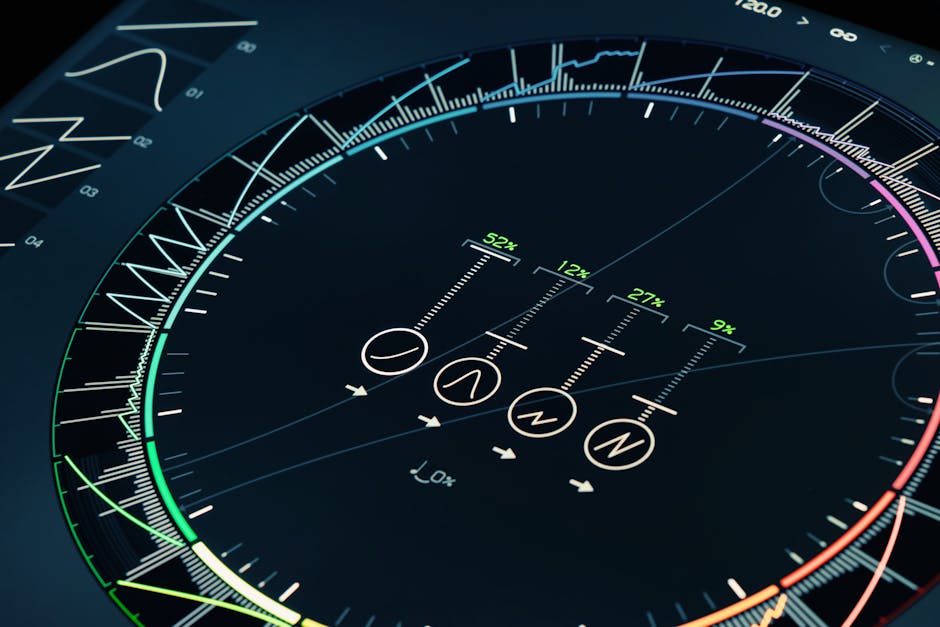 Photo by Egor Komarov on Pexels
Your Next Step: Building the Foundation for 2027
The transformation of SaaS companies by tools like Grafana is not a destination; it is a continuous evolution. As we move further into the decade, the companies that will thrive are those that treat data as their most valuable asset. This means moving beyond basic reporting and embracing a culture of Observability.
For leaders looking to implement these changes, the journey begins with a simple question: Do we have a single source of truth? If the answer is no, or if that source of truth is fragmented across different tools, the foundation for growth is shaky.
The adoption of a unified visualization platform is the first step toward building that foundation. It requires a commitment to data integrity, a willingness to invest in training, and a culture that values transparency. It is a shift that requires engineering, product, and business teams to collaborate closely, breaking down the silos that have historically hindered progress.
The future of SaaS is transparent, intelligent, and user-centric. By leveraging the power of modern data visualization, companies can ensure they are not just surviving the complexities of the digital age, but thriving in it.
The tools are ready. The data is available. The only question left is whether you are ready to look at it.
 Photo by Gustavo Fring on Pexels
External Resources for Further Reading
- The Golden Signals - Google Cloud Blog
- Observability 101 - Grafana Labs Documentation
- Why Observability Matters for SaaS - TechCrunch Analysis
- The Future of AI in Data Visualization - Forbes Technology Council


